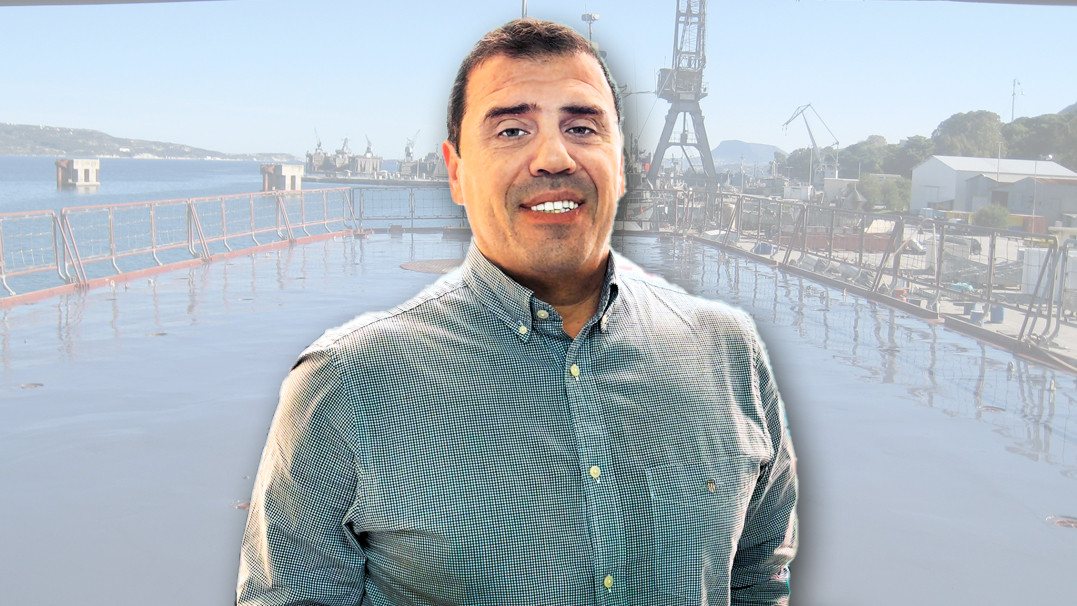

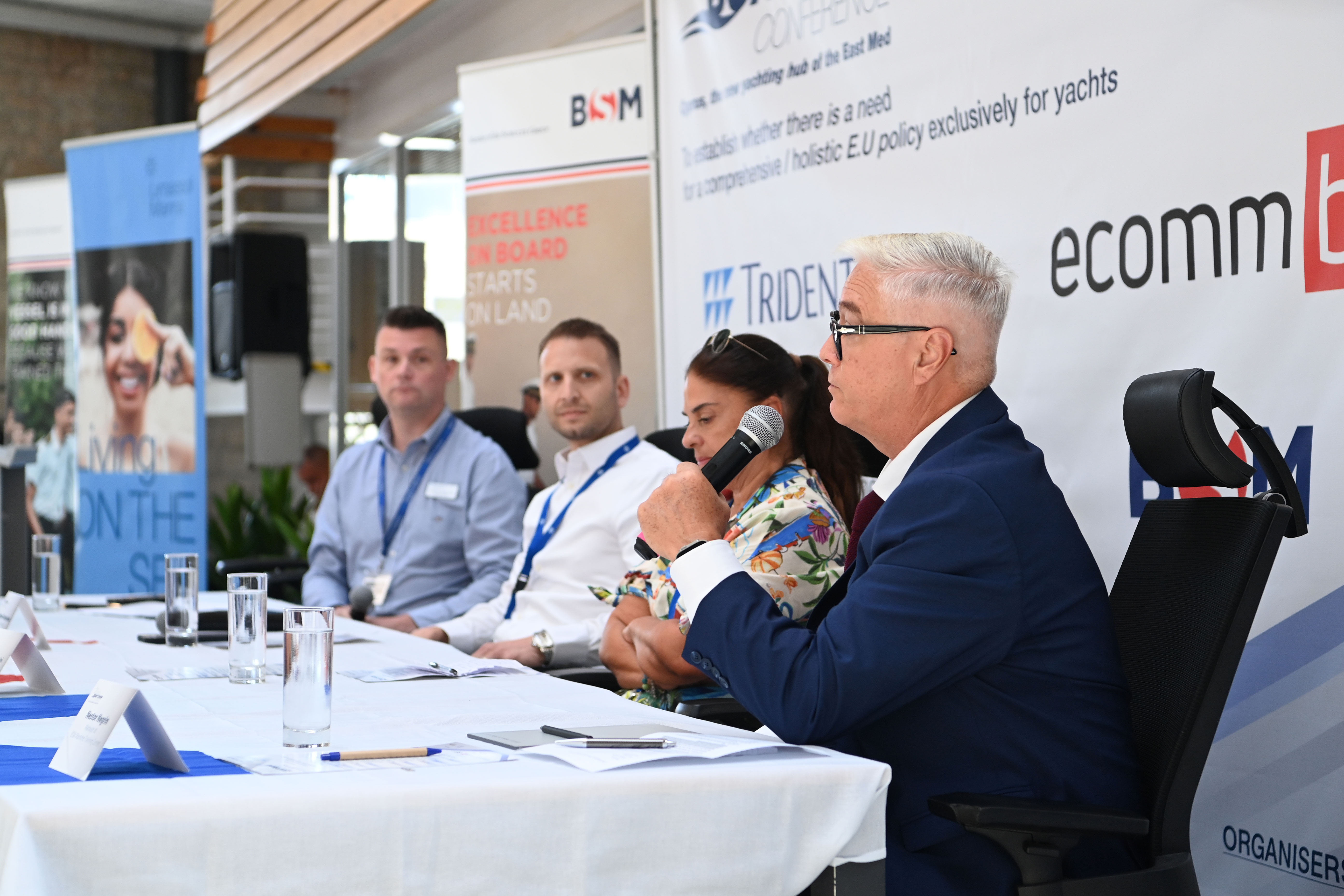

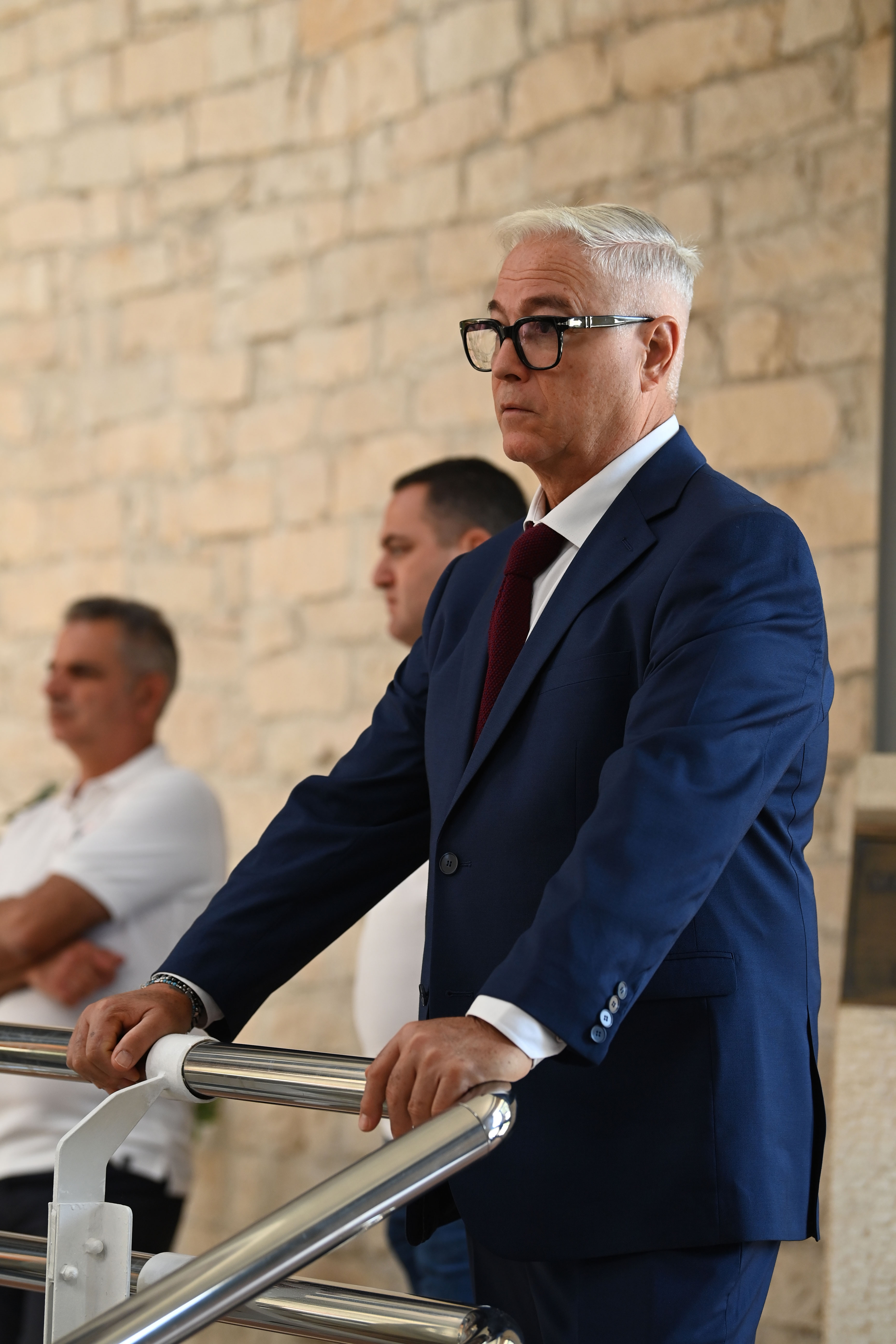
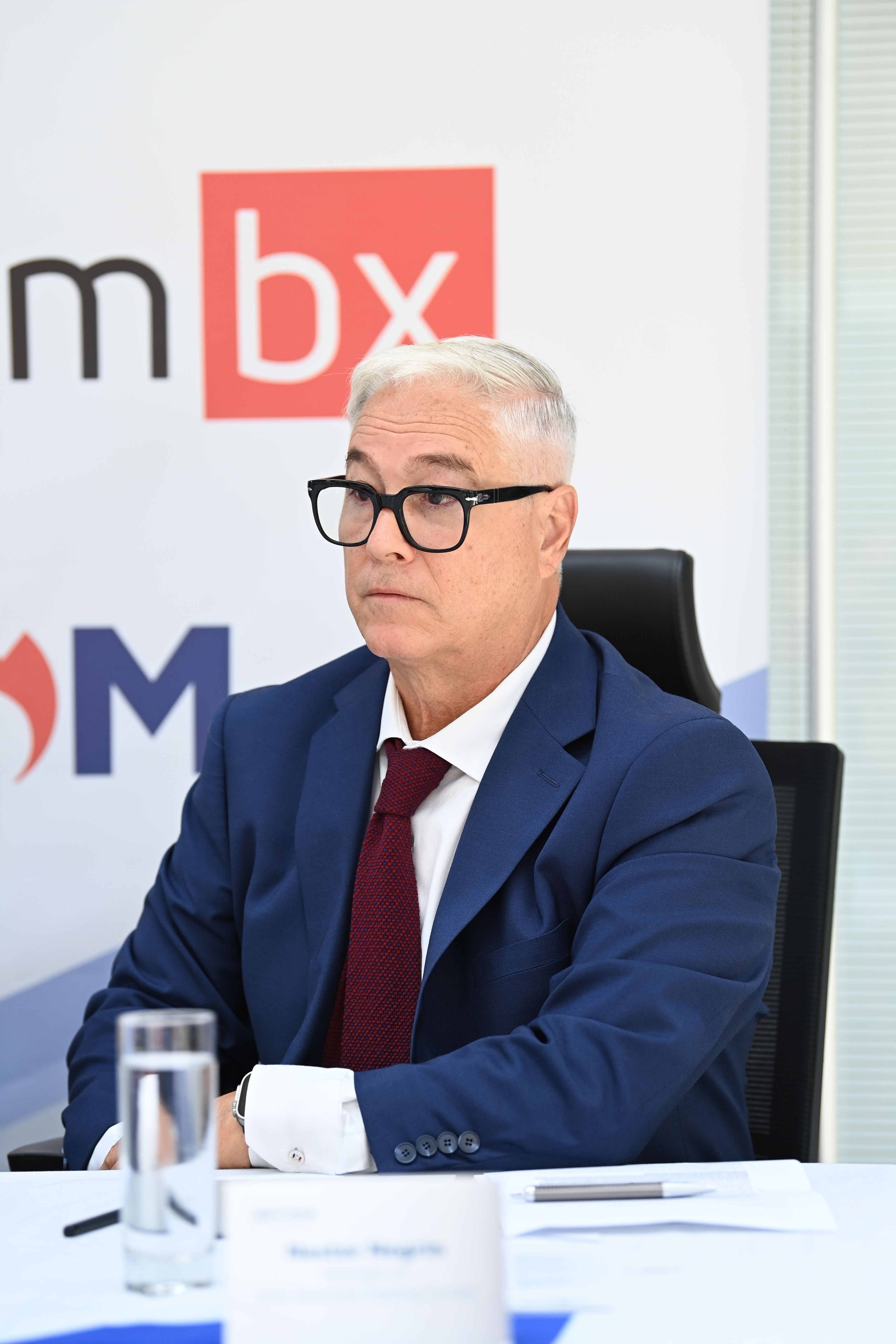
Bernhard Schulte Ship Management (BSM) Maritime Training Centre stands at the forefront of maritime education, offering specialized programs tailored to meet industry and client-specific needs. At the heart of this mission is Mr. Nestor Negrin, a seasoned professional dedicated to shaping the future of maritime training. With his extensive experience, Mr. Negrin oversees the development of cutting-edge training programs that integrate advanced simulation technology and hands-on experience. In this interview, we delve into his insights on the evolving landscape of maritime education, the role of innovation in training, and the growing importance of skill development in the maritime industry.
1. Mr. Negrin, you have been the director of BSM for several years. Could you tell us about your career journey in the maritime industry and what led you to your current role at the BSM Maritime Training Centre?
I began my role as the Manager of Bernhard Schulte Shipmanagement’s Maritime Training Centre in Cyprus (BSM MTC Cyprus) on 1 May 2023. I graduated with a degree in Navigation Engineering (Deck Officer) from the Cuban Naval Academy in Havana in July 1981. With 40 years of experience as a seafarer, I was promoted to the rank of Captain in 1995, serving as a Master Mariner until January 2021.
During my time at sea, I focused on crew training and mentoring, actively engaging in their career development through the competence management system. This experience fuelled my passion for supporting the next generation of seafarers by sharing my life experiences, skills, and knowledge. I am committed to helping them navigate their challenges, which has further motivated me in my current role at the MTC and in contributing to our team’s goals.
2. Did your experience in the maritime industry influenced the way you approach training and development at BSM?
Absolutely, my extensive experience in the maritime industry has significantly influenced my approach to training and development at BSM. Having spent 40 years as a seafarer, including 26 years as a Master Mariner, I understand the unique challenges and demands that crew members face. This first-hand experience allows me to design training programs that are not only relevant but also practical and effective.
3. How many students do you have every year approximately and from which countries do they primarily come from? Is there interest from Cypriot citizens in the maritime sector?
In 2024, the MTC delivered 495 training courses, from which we had a total of 6,240 participants from the following countries: Germany, Ghana, Croatia, Russia, Nigeria, India, Gabon, Sierra Leone, the Philippines, Bulgaria, Mexico, Venezuela, Panama, Egypt, Ukraine, Poland, Estonia, Slovenia, Myanmar, and Romania.
Cypriot citizens in the maritime sector have shown interest. In fact, during 2024, the MTC delivered a group of STCW courses for Cypriot citizens who work as skippers and crew members in the yachting industry and recreational boating.
4. BSM is offering a wide range of educational programmes. What career opportunities do these programs open up for graduates?
BSM's wide range of educational programs opens up numerous career opportunities for graduates in the maritime sector. These programs equip students with essential skills and knowledge required for various roles. Graduates can pursue careers as deck officers or ship captains, where they are responsible for the safe navigation and operation of vessels. Programs focused on marine engineering prepare graduates for roles in engine room management and the maintenance of ship machinery. Other graduates may choose to work in safety and environmental management, ensuring compliance with maritime regulations and promoting environmental sustainability. Others in turn, may pursue roles in training and development, helping to educate and mentor the next generation of maritime professionals.
Overall, BSM's programs provide a solid foundation for a variety of rewarding careers within the maritime industry, fostering both personal and professional growth.
5. A.I is entering more and more in our daily life. Do you believe that it will also affect the maritime sector?
Absolutely, I believe that AI will have a significant impact on the maritime sector. As technology continues to evolve, AI can enhance various aspects of maritime operations, from navigation and logistics to crew training and safety management.
For instance, AI can improve predictive maintenance by analysing data from equipment, helping to prevent breakdowns and reduce costs. In navigation, AI can assist in route optimization, leading to more efficient fuel usage and reduced travel times. Additionally, AI-driven training tools can provide personalized learning experiences for crew members, making training more effective and tailored to individual needs.
Overall, the integration of AI in the maritime sector has the potential to enhance efficiency, safety, and decision-making, ultimately benefiting the industry as a whole.
6. Is there a growing demand for specialised employees in the maritime sector?
Yes, there is a growing demand for specialized employees in the maritime sector. As the industry evolves with advancements in technology, regulatory changes, and increasing global trade, the need for skilled professionals in various specialized roles is becoming more pronounced.
Areas such as marine engineering, navigation, safety management, and environmental compliance require highly trained individuals to ensure efficient and safe operations. Additionally, the rise of automation and digitalization in shipping creates a demand for experts in data analysis, cybersecurity, and remote operations.
7. In Cyprus, over the last years, we have been experiencing a boom in the yachting sector. Do the students who graduate from BSM School have the necessary skills to meet the demands of the yachting sector?
BSM does not have schools as such, but operates six training centres worldwide, focussed on providing specialist skills and exceptional training through our training programmes that are meticulously tailored to meet industry and client-specific requirements. We proudly serve numerous third-party clients, delivering bespoke training programs to address their unique needs.
8. What competitive advantages does BSM have compared to training centres in nearby countries?
BSM has several competitive advantages compared to training centres in nearby countries. We offer a comprehensive curriculum that covers the main aspects of maritime training. This ensures that participants receive a well-rounded education tailored to industry needs. The training is conducted by highly qualified instructors with extensive experience in the maritime industry. These instructors provide practical insights and share their knowledge and skills, enhancing the learning experience.
BSM is equipped with state-of-the-art facilities and simulators that replicate real-life maritime scenarios. This allows trainees to gain hands-on experience in a safe environment. The curriculum emphasizes safety and regulatory compliance, preparing graduates to meet international standards and enhancing their leadership and aptitude.
Moreover, BSM has established strong industry connections with leading maritime organizations. These partnerships provide students with networking opportunities and potential pathways to employment after graduation. BSM has built a strong reputation in the maritime training sector, recognized for its commitment to quality and excellence. These advantages position BSM as a leading choice for maritime training in the region, helping seafarers excel in their careers.
9. How would you describe the current market conditions in Cyprus, particularly in the maritime sector, and what opportunities or challenges do you see for the industry's growth?
The current market conditions in Cyprus, particularly in the maritime sector, are generally positive, characterized by a growing interest in maritime activities and an expanding reputation as a maritime hub. Overall, while there are promising opportunities for growth in the maritime sector in Cyprus, addressing these challenges will be crucial for sustainable development in the industry.
10. With the maritime industry constantly evolving, what are some of the biggest challenges you face, and how do you address them?
The maritime industry is indeed constantly evolving, presenting several significant challenges that we face. For instance, keeping pace with rapid technological changes can be a challenge. We address this challenge by investing in ongoing training programs that incorporate the latest technologies and best practices. This ensures that our workforce remains skilled and adaptable. Regulatory compliance is another significant challenge in the maritime sector, which is subject to stringent international regulations and standards. To tackle this, we maintain a proactive approach by continuously updating our training programs to align with regulatory changes, ensuring that our staff is well informed and compliant.
Environmental sustainability is increasingly important as the industry shifts towards more sustainable practices. We face the challenge of integrating green technologies and address this by incorporating sustainability topics into our curriculum and promoting practices that reduce the environmental impact of maritime operations.
Economic fluctuations can impact the demand for maritime services. We address this challenge by diversifying our training offerings and partnerships, allowing us to remain resilient and responsive to market changes.
11. Would you advice young people to follow a maritime carrier?
Yes, I would definitely advise young people to consider a career in the maritime industry. Here are a few reasons why. Firstly, diverse opportunities: The maritime sector offers a wide range of career paths, from navigation and engineering to logistics and environmental management. This diversity allows individuals to find a niche that suits their interests and skills.
Secondly, job stability: The maritime industry is essential to the global economy, which means there is a consistent demand for skilled professionals. This can lead to stable job opportunities and long-term career prospects.
Thirdly, personal growth: A maritime career can foster valuable skills such as problem-solving, teamwork, and leadership, all of which are beneficial both personally and professionally.